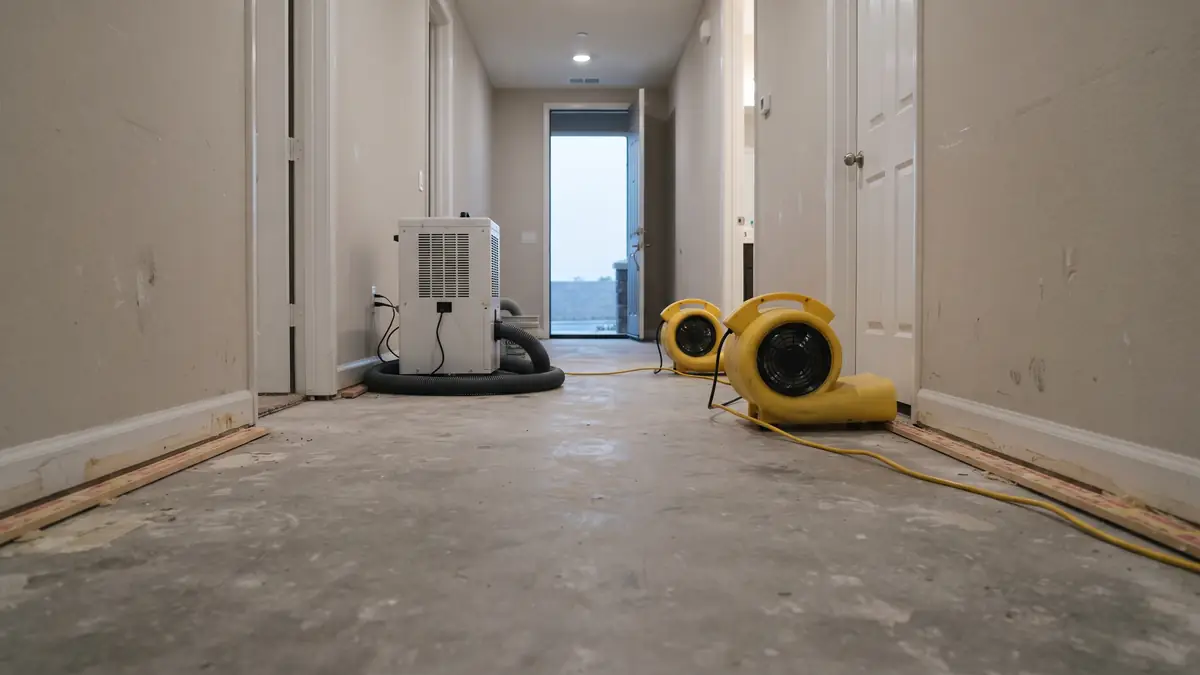
Water Extraction in Brentwood, CA
Water extraction in Brentwood, CA — with how this work is actually priced, what the equipment costs per day, and the one job drying cannot fix: water that is still arriving.
- Priced per square foot of affected area, estimated range first
- The first-hour steps explained on the phone, at no charge
- Moisture readings taken and written down, not described
- Told plainly if the water is still arriving, and what that means
How much should water extraction cost?
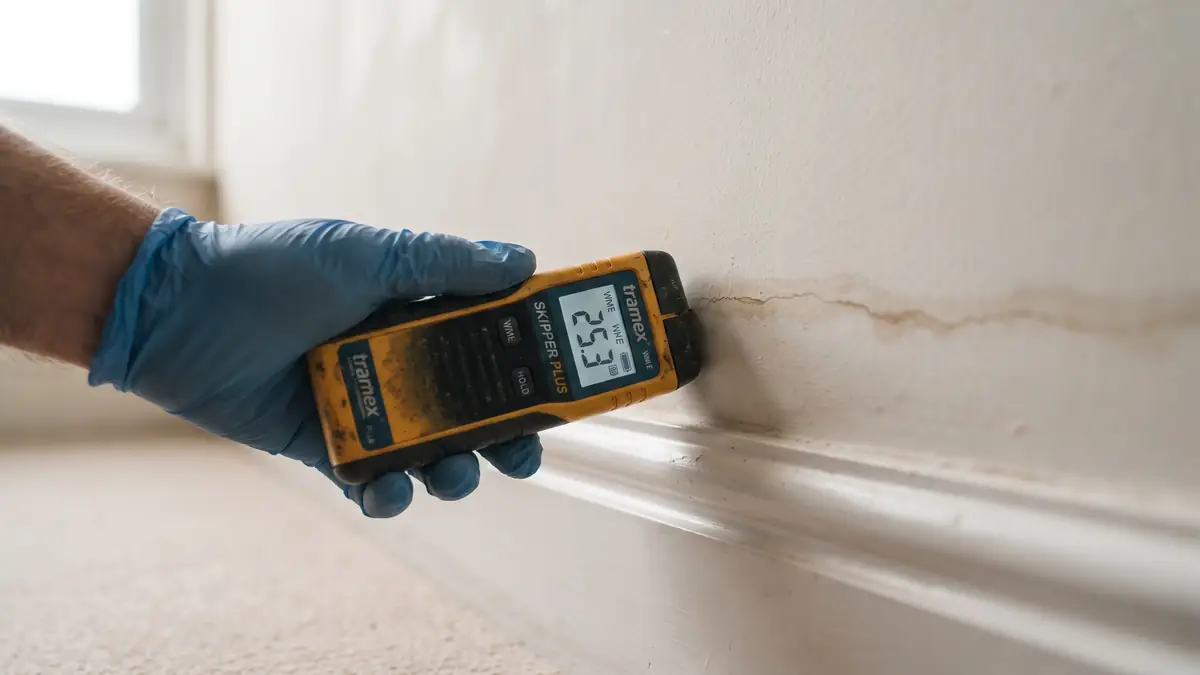
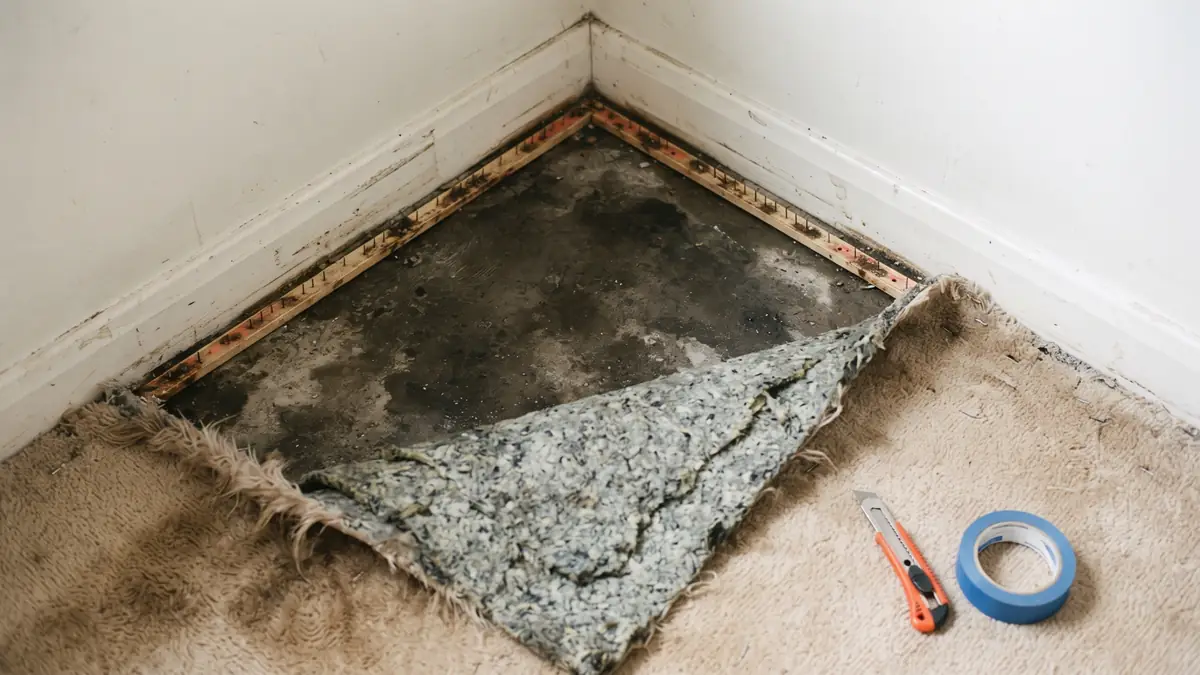
If your Brentwood house is on a slab, water travels sideways under the carpet pad well past the visible wet patch. Since extraction is priced per square foot of AFFECTED area, the eye under-measures the job — which is why the meter comes out before the price does.
Extraction is priced per square foot of affected area, so that is the figure worth asking anybody for. As an estimated national range, it runs $0.50 to $1.50 a square foot for extraction alone and $3.75 to $7.50 for mitigation. These are estimates, not quotes: the written quote follows once the wet area has been measured.
- The affected area measured with a meter, not by eye
- Whether the pad is wet beyond the visible patch
- Whether the water has actually stopped arriving
- Daily readings recorded and handed over
Water extraction cost in Brentwood
Extraction is billed by the square foot of AFFECTED area — an estimated $0.50 to $1.50 across the industry. That unit is the useful part: measure the wet area and you can see roughly where the job will land before the written quote. If the house is on a slab, that is what moves the number, and it moves it upward: water under a carpet pad spreads further than the visible patch, and the rate is charged on affected area. Ask to see the meter boundary before agreeing to a figure.
Why the area is nearly always bigger than it looks
Under carpet on a slab, water travels sideways through the pad well past the visible edge. A meter finds that boundary; an eye does not.
What makes it cost less
Hard floors, a single room, and water that has stopped arriving. Extraction on a tiled floor is close to the bottom of the range because nothing porous has to be lifted or saved.
What makes it cost more
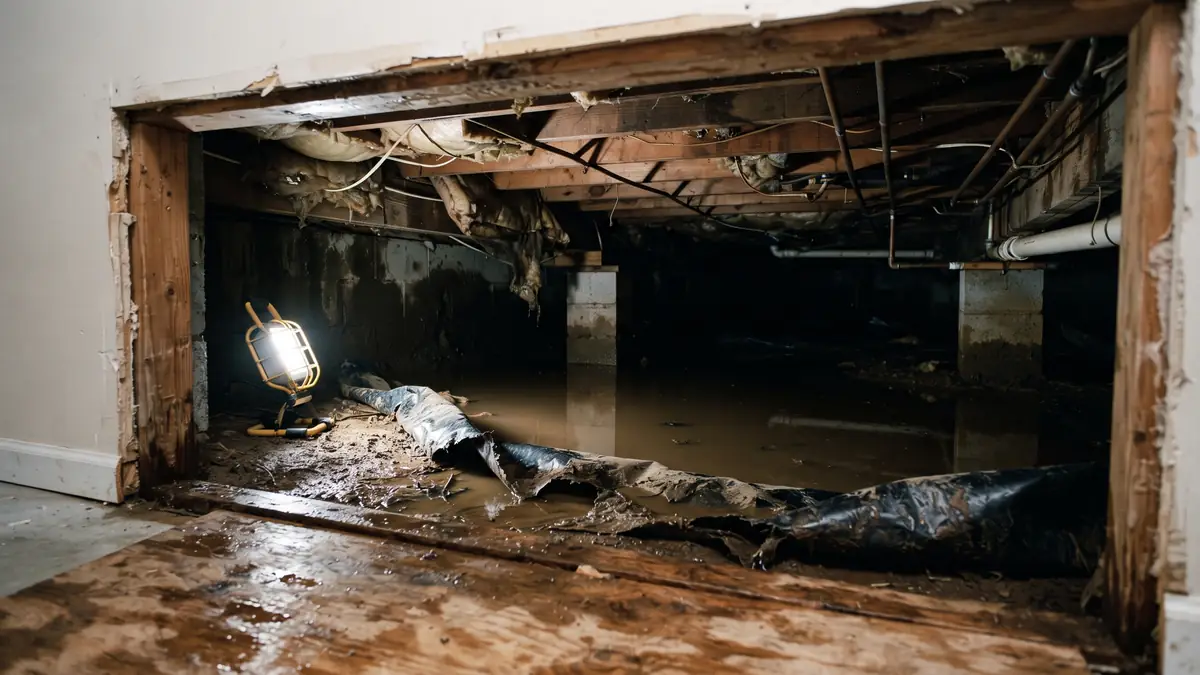
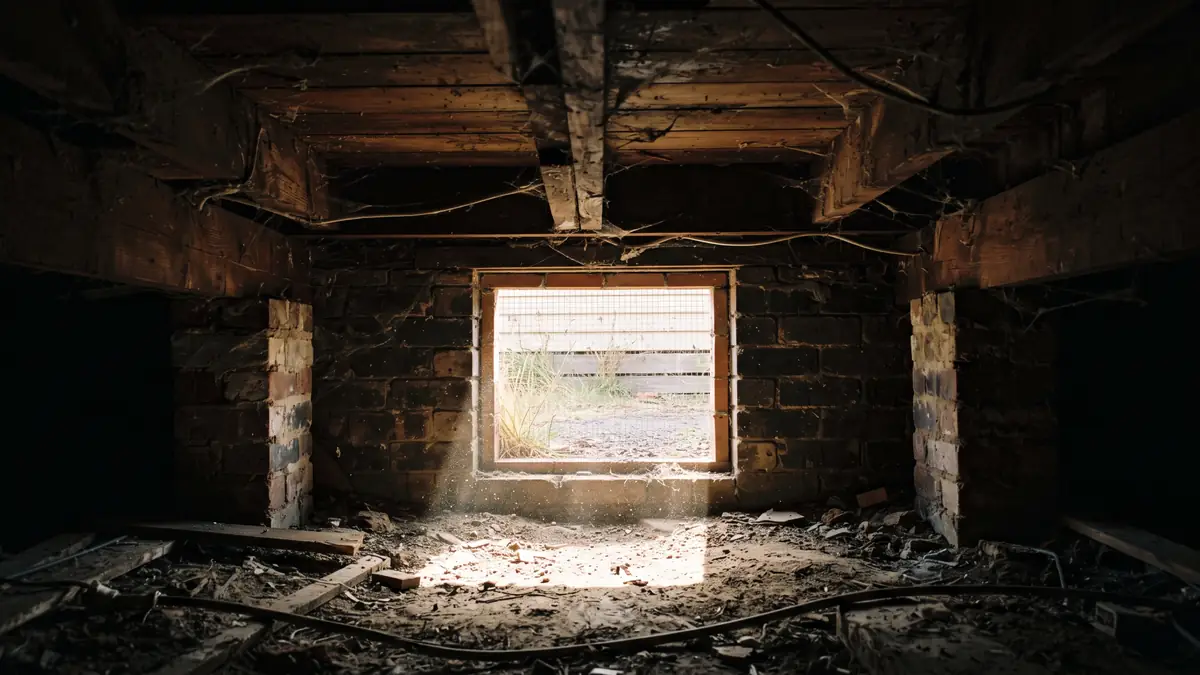
Multiple rooms, a staircase, or water that has gone somewhere with no drain — a crawl space has to be pumped and then the surfaces dried separately.
Water Extraction in Brentwood, and what else it involves
The neighboring jobs, priced.
Four things to establish before a price means anything
Three of them are free, and the first one decides whether this is a job with an end.
Has the water stopped arriving?
The only question that matters first. Water still coming in makes every number below meaningless, because the affected area is still growing while it is being measured. Main shutoff, or the breaker to the well pump on a rural parcel.
Did it come from above or from below?
A burst supply line, an appliance or a roof is a job with an end. Groundwater rising into a crawl space is a condition, and the straight answer for it is drainage rather than days of equipment. This is the distinction the whole site turns on.
How large is the wet area, measured rather than seen?
Extraction is an estimated $0.50 to $1.50 per square foot of AFFECTED area industry-wide, so the measurement drives the price. Under carpet on a slab the wet edge sits well outside the visible one, and a meter is the only thing that finds it.
What was the water?
Clean supply water caught within a day or two is the case where carpet and pad are usually saved. Contaminated water or groundwater, at any age, means the porous material is removed instead, because drying it in place does not make it safe.
Four steps, no surprises
Estimated per square foot and per day, so you can follow the arithmetic.
Call, and do the free first hour
Stop the source, switch off power to the affected circuit, lift what you can off the floor, get air moving. Water removed before anybody arrives is water nobody bills you for, and we will talk you through it whether or not you book.
We establish where the water came from
A burst supply line, a failed drain, rain getting in and groundwater look identical once there is an inch on the floor, and only one of the four is fixed by extraction. That question comes before any price.
An estimated range, then a written quote
The affected area measured, an estimated range given against it, then a written quote with the daily equipment itemized rather than summarized. Moisture readings recorded from day one.
Equipment comes off as the readings fall
Not at the end of a set number of days. The readings decide when the drying is done, and they are handed over so you can see it for yourself.
Five questions worth asking, including of us
Every one of them is about a unit rather than a total, because a unit is something you can follow.
What is your per-square-foot rate, and what area are you charging?
Two halves of the same question. The estimated industry range is $0.50 to $1.50 for extraction and $3.75 to $7.50 for mitigation; if a figure sits outside that, ask what makes this job different.
What is the day rate on each machine?
An estimated $25 to $50 per air mover per day and $75 to $125 per dehumidifier per day, industry-wide. The count and the days are where a drying bill grows, and both should be written down before anything is switched on.
What moisture target are you drying to, and where is it measured?
A target with no location is not a target. On a slab the readings should fall steadily; in a building over high groundwater they may never reach a textbook number, and a sensible target is one the building can actually hold.
Will you tell me if drying is the wrong answer?
Sometimes it genuinely is. Where water is still arriving, drainage comes before drying, and a straight answer to this question is worth more than any total.
Do I get the readings?
Daily, in writing, for as long as the equipment is in the building. They show what the days of drying actually did, and they cost nothing to produce.
Stop the source, then switch off that circuit at the breaker panel before you step into it. Lift what you can off the floor and get air moving. Those first-hour steps cost nothing, they are the part that decides the final cost, and we will talk you through them whether or not you book anything.
What water extraction costs, and why the bill grows with time
The questions people ask most about this work are cost questions: how much water extraction costs, whether it is worth paying for, and whether it can be done without help. All three have plain answers, and they start with the unit the work is priced in.
Extraction is priced per square foot of affected area. As estimated national ranges, that is $0.50 to $1.50 a square foot for extraction alone and $3.75 to $7.50 for mitigation. Drying bills by the day because the equipment does the work — an estimated $25 to $50 per air mover per day and $75 to $125 per dehumidifier. Movers follow the wet surface area, the dehumidifier follows the volume of the space, and both should come off as the moisture readings fall.
And the case where paying for drying does not help: water that is still arriving. Extraction and drying fix water that arrived and then stopped. A crawl space pumped while water keeps entering from below will not dry, and the answer there is drainage rather than equipment. We would rather say that on the phone than bill for it by the day.
Three cities and three unincorporated communities
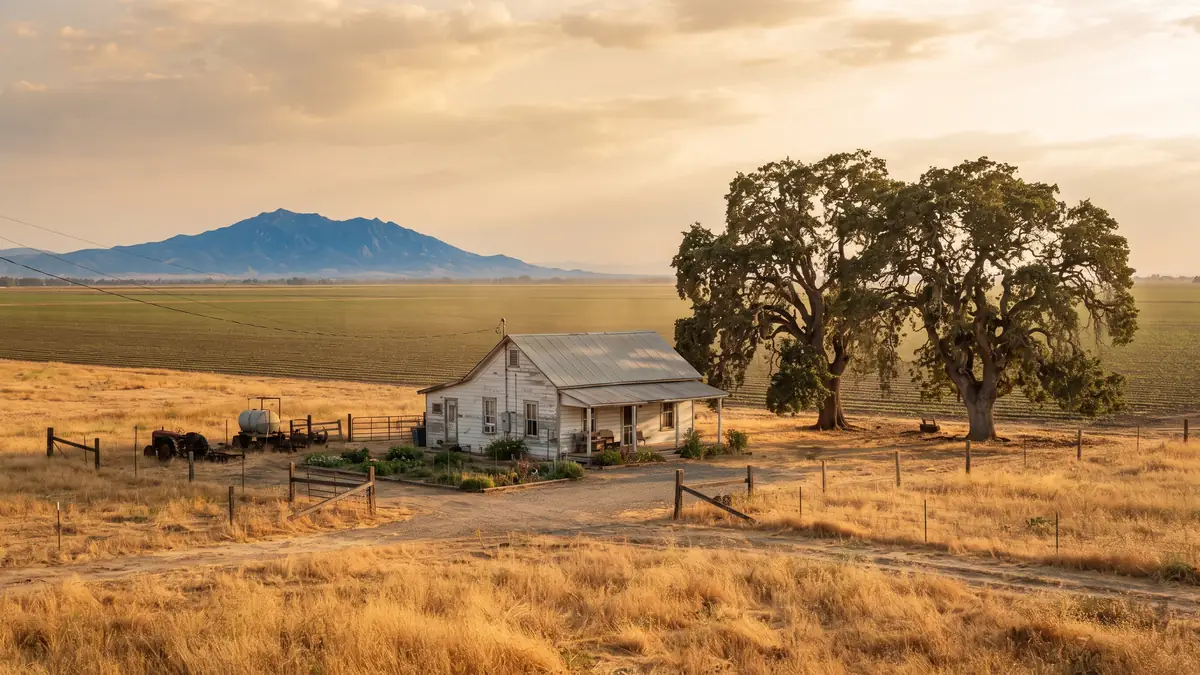
Brentwood is the home city of this site, in East Contra Costa, and every other area here is reached from it. Houses here sit on different kinds of foundation, and the foundation under a house decides how water behaves once it is inside.
If the house sits on a concrete slab, water spreads sideways under the carpet pad well beyond the visible wet patch, and the affected square footage is almost always larger than it looks.
On a slab, measure the affected area with a meter rather than by eye, because the price is per square foot and the eye is consistently wrong.
Water extraction prices in Brentwood
Every lane on this site with its own figure, so they can be compared rather than asked for one at a time.
Estimated per square foot and per day, so you can follow the arithmetic.
Three questions that decide whether this work can succeed
All three are free, and the first one is the reason this page exists.
Extraction and drying fix water that arrived and then stopped. They do nothing for water still arriving. If the source is not isolated, running equipment cannot get ahead of it.
A burst supply line, a failed drain, rain getting in and groundwater look identical once there is an inch on the floor. Only one of the four is fixed by what we do; the others want a plumber, a roofer or drainage.
Within 24 to 48 hours this is usually a drying job. Past it, mold growth becomes likely and porous material that could have been dried may have to come out instead.
Where we work
Brentwood and the communities around it in East Contra Costa: three cities and three unincorporated communities, priced on one per-square-foot basis.
Price, and what to ask before you agree
The awkward questions, taken in order.
How do you decide what area to charge for?
With a moisture meter, at the boundary where the material stops being wet — which on a slab under carpet is well outside the patch you can see. You are welcome to watch that boundary being found, and on a job priced per square foot it is the single most consequential measurement anybody takes.
Is extraction the same thing as drying?
No, and they are billed separately. Extraction removes the water that can be pulled out, at an estimated $0.50 to $1.50 per square foot. Drying removes what is left inside the materials, on a mitigation rate plus day-rate equipment. Ask for them as separate lines so you can see which half you are paying for.
How much does water extraction cost?
It is priced by the square foot and by the day, and every figure here is an estimated range rather than a quote. Extraction runs an estimated $0.50 to $1.50 per square foot of affected area industry-wide, and the drying that follows is charged on an estimated mitigation rate of $3.75 to $7.50 per square foot, plus equipment at an estimated $25 to $50 per air mover per day and $75 to $125 per dehumidifier per day. Both units are easy to follow: you can measure a room and you can count machines. The written quote comes once the wet area has been measured.
Can you do water remediation yourself?
Some of it, yes, and the part you can do is the part that matters most. A small spill of clean water on a hard floor, caught quickly, is a mop, a wet vacuum and fans. What you cannot do without a meter is know whether the water stopped at the surface: under carpet, inside a wall or below a raised floor, materials can stay wet long after they feel dry. If the water reached any of those places, or was not clean, that is the point to call.
My crawl space keeps filling. Why won't drying fix it?
Because drying removes water, and your problem is water arriving. In a space that refills from below, every day of equipment runs against groundwater that is still coming in, and the readings never settle. The fix is drainage: a sump, a sealed vapor barrier, grading away from the building. None of that is drying, and we would rather say so than sell you days.
Standing water in Brentwood?
Call and we will talk you through the first hour before anybody sets out. Those steps cost nothing, and they are the part that decides the cost.